
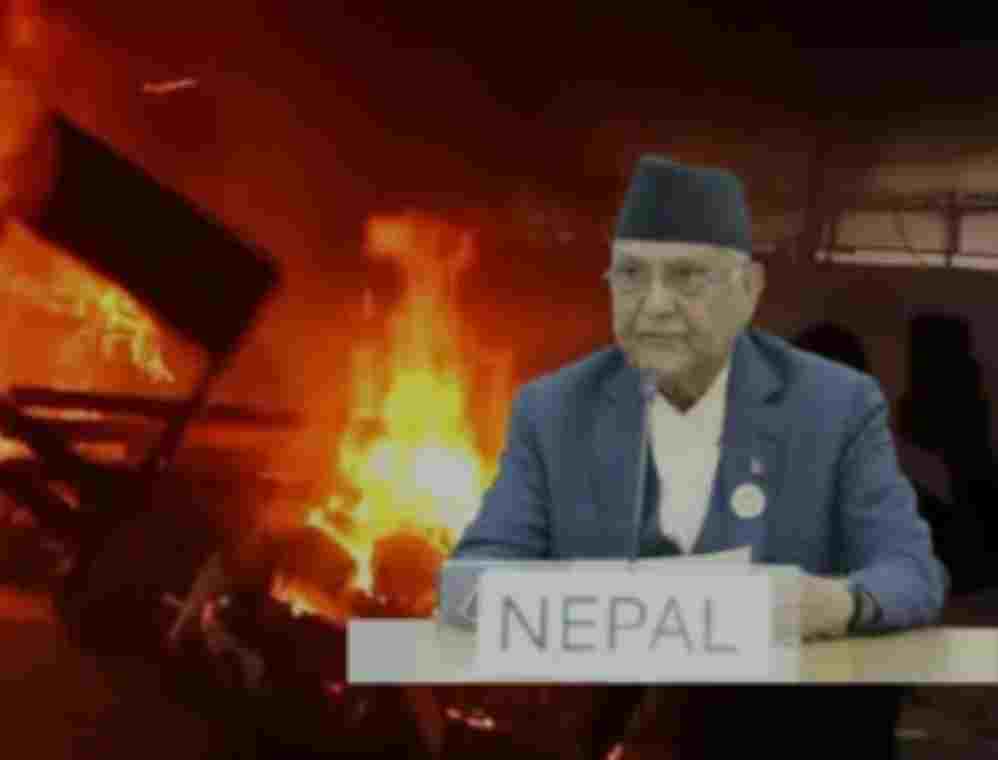
24 Years After Nepal’s Royal Massacre, Gen Z Carries the Torch of Protest
Kathmandu’s streets are once again echoing with chants of dissent, but this time the voices belong to a younger generation determined to shape their nation’s destiny. For many Nepalis, the current wave of protests led by Gen Z feels like history looping back to an unresolved trauma—the royal family massacre that shook the country 24 years ago.
The Night That Shattered a Kingdom
On June 1, 2001, Nepal’s royal palace turned into the stage of one of the darkest nights in the nation’s history. What began as a private family gathering ended in horror. During the dinner, Crown Prince Dipendra allegedly opened fire on his parents, King Birendra and Queen Aishwarya, as well as several other members of the royal household.
The massacre wiped out almost the entire immediate royal family in a matter of minutes. The prince himself slipped into a coma after reportedly turning the weapon on himself, and he died just three days later. The event left the nation stunned, heartbroken, and desperate for answers.
Suspicion and Silence
While an official investigation pointed to the crown prince as the sole perpetrator, doubts and conspiracy theories quickly surfaced. Many citizens struggled to accept that a beloved monarch and his family could be murdered so brutally without deeper forces at play.
Whispers of palace intrigue, foreign involvement, or hidden agendas circulated widely. To this day, a large portion of the population feels that the full truth about what happened that night has never been revealed.
From Palace Walls to People’s Streets
The massacre did more than claim royal lives—it cracked the very foundation of the monarchy’s legitimacy. Public trust eroded, and years of discontent began to boil over. By 2006, mass protests had forced King Gyanendra, who had assumed the throne after the tragedy, to step down from absolute power. Just two years later, Nepal formally abolished its monarchy and declared itself a republic.
This transition was monumental, but it was also fragile. The new democratic system promised inclusion, rights, and freedoms, yet it struggled to deliver on those ideals consistently. Corruption, political infighting, and a lack of accountability slowly chipped away at public confidence.
Gen Z Rises
Fast forward to 2025, and a new generation—one that grew up in the shadow of both the massacre and the fall of the monarchy—is taking to the streets. Triggered initially by a controversial social media ban, young Nepalis erupted in protest. Their frustration runs deeper than digital rights—it reflects anger at corruption, unemployment, and a sense of being let down by leaders across the political spectrum.
What makes this moment unique is the determination of Gen Z. They are digitally savvy, globally aware, and unafraid to challenge authority. When security forces opened fire on demonstrators, killing at least 19, it only strengthened their resolve. The scale of the unrest ultimately forced Prime Minister K.P. Sharma Oli to resign, marking another turning point in the nation’s turbulent democratic experiment.
The Ghost of 2001
For older generations, these protests reopen the scars of the massacre. The unresolved trauma of losing a king and queen in a blaze of bullets still lingers in Nepal’s collective memory. For the youth, the tragedy is a symbol—a reminder of how unchecked power, secrecy, and a lack of accountability can destroy a nation from within.
The connection between 2001 and 2025 is clear: both moments highlight the cost of silence and the necessity of public action. While the massacre silenced a generation, today’s youth refuse to let history repeat itself.
A Nation at the Crossroads
Nepal stands once again at a delicate crossroads. Will it use this moment to build stronger democratic institutions, rooted in transparency and accountability? Or will it allow history’s mistakes to echo once more through corridors of power?
The resilience of its people offers hope. Time and again, Nepalis have shown a remarkable ability to rise from tragedy, whether in the aftermath of earthquakes, political upheavals, or royal bloodshed. This generation’s uprising may very well be the catalyst that pushes Nepal closer to the democracy its citizens have long dreamed of.
Disclaimer
The information and content shared on digitalgithub.com — including articles, blogs, news, guides, and other resources — is intended for general informational and educational purposes only. We do not guarantee the completeness, reliability, or suitability of any information. Always seek the guidance of a qualified professional before making decisions based on the information you read. Use this site at your own risk.