
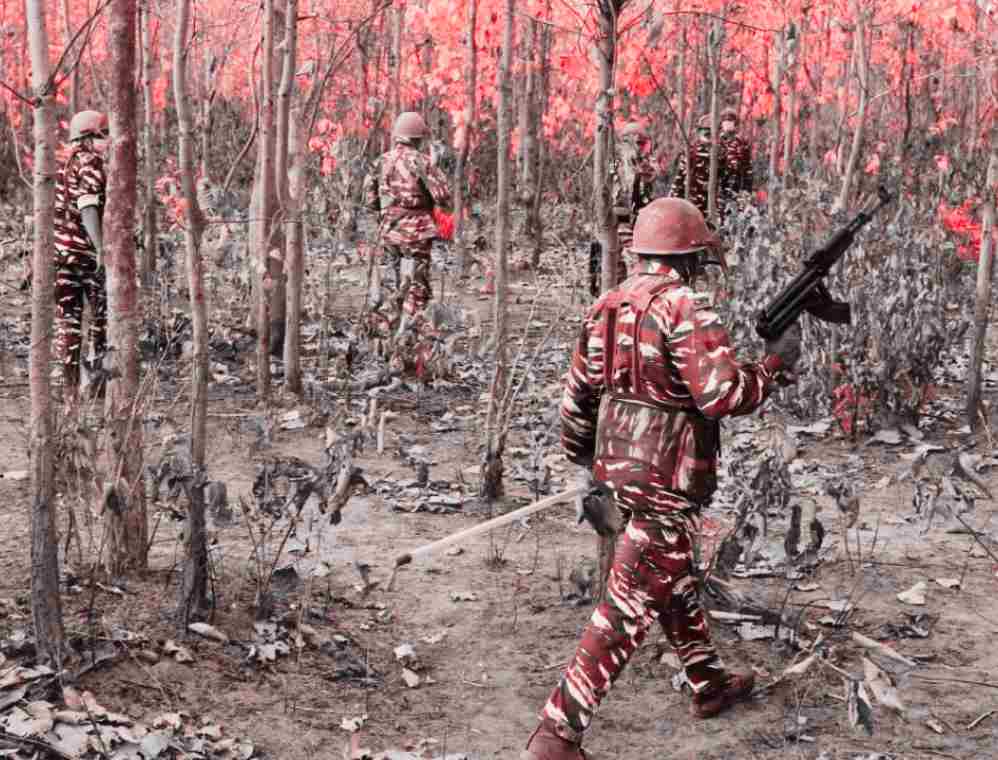
66 Naxalites Lay Down Arms Across Five Chhattisgarh Districts, Signaling Shift Toward Peace
In a major step toward restoring peace in the Naxal-affected regions of Chhattisgarh, a total of 66 Naxalites have voluntarily surrendered across five districts, offering a glimmer of hope to a region long plagued by violence and unrest. Among those who surrendered, 49 individuals were wanted with a combined bounty of ₹2.27 crore on their heads — a reflection of the serious charges and notoriety many of them carried.
This coordinated surrender, occurring in districts including Dantewada, Sukma, Bijapur, Narayanpur, and Kanker, is being hailed as a significant breakthrough by both state authorities and local communities. The event marks not only a tactical gain in counter-insurgency efforts but also an emotional and psychological milestone for families caught in the crossfire of the decades-long conflict.
A Turning Point in a Blood-Stained Chapter
Many of the surrendered Naxalites have been part of the armed struggle for years, some even decades. Their decision to renounce violence didn’t come overnight. Officials reveal that a combination of sustained pressure from security forces, targeted rehabilitation campaigns, and the growing disillusionment within the ranks of the insurgent groups played a major role.
“This isn’t just about numbers. Each surrender is a story — of someone who finally chose life over destruction,” said a senior police officer involved in the facilitation of the surrenders. “The change in sentiment is palpable. People are tired. They want peace.”
The influence of state-run surrender and rehabilitation policies — which offer financial support, housing assistance, and vocational training — appears to be growing. While skeptics in the past have questioned their effectiveness, recent figures and testimonials are breathing new credibility into these initiatives.
Life Beyond the Gun
Among the surrendered were former foot soldiers, local commanders, and even a few who had direct involvement in attacks on police and civilians. Some walked in with locally made firearms; others turned in automatic weapons. Yet, it was the expressions on their faces — a mix of exhaustion, regret, and hope — that told the real story.
One of the former rebels, a 27-year-old woman who joined the movement as a teenager, broke down while handing over her weapon. “I joined thinking we were fighting for justice. But all I saw was blood. I want my children to live a different life,” she whispered tearfully.
Another ex-insurgent admitted he hadn’t spoken to his family in over five years. “I didn’t even know if my mother was alive,” he said. “Now I want to go back home and start over.”
Community Reaction: Cautious Hope
Villages that once lived in fear are beginning to breathe a little easier. In areas like Bastar and Sukma, tribal leaders and local residents have welcomed the development, though cautiously. While peace is deeply desired, scars from the violence run deep.
“The young boys who joined them — they were once our sons, our neighbors,” said an elder in a Dantewada village. “If they truly want to return and live like us again, we will help them. But trust… that takes time.”
Security Forces Recalibrate
For security forces, this large-scale surrender allows for a strategic recalibration. Officials see this as an opportunity to shift from constant combat to more focused intelligence gathering and community-building exercises.
“With fewer active cadres on the ground, our priorities can now include helping rebuild trust, offering security for surrendered individuals, and encouraging others still in the jungle to come out,” one CRPF officer explained.
However, challenges remain. Not all factions of the insurgent groups are ready to give up the fight, and some are intensifying efforts to recruit younger villagers who feel disenfranchised or angry.
The Road Ahead
As Chhattisgarh stands at this crossroads, the surrender of 66 Naxalites is more than a statistic. It represents a potential shift — from fear to faith, from violence to rebuilding. But the road to lasting peace is long and requires more than just individual decisions; it calls for consistent policy support, community reintegration, and most importantly, trust on both sides.
Still, for a state that has long been a battleground, this moment carries weight. It offers a pause. A chance. A rare opportunity to rewrite the narrative of conflict into one of resilience and recovery. And for those who surrendered, it’s a chance — perhaps the first real one — to start over.
Disclaimer
The information and content shared on digitalgithub.com — including articles, blogs, news, guides, and other resources — is intended for general informational and educational purposes only. We do not guarantee the completeness, reliability, or suitability of any information. Always seek the guidance of a qualified professional before making decisions based on the information you read. Use this site at your own risk.