
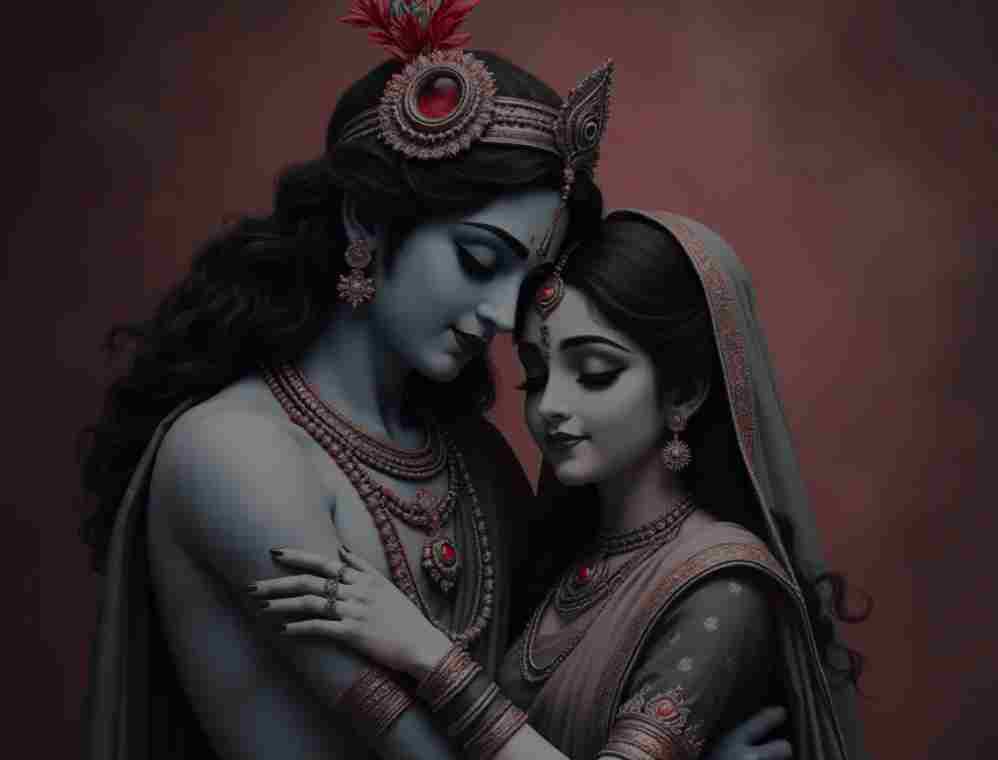
Gemini AI Krishna-Radha Photo Trend Captivates Social Media With Creative Prompts
A new wave of AI-generated art has taken social media by storm, and this time it carries a distinctly cultural touch. Users across platforms are experimenting with Gemini AI to create stunning, hyper-realistic portraits inspired by the timeless love story of Krishna and Radha.
What began as a few creative edits has now transformed into a viral trend, with thousands of people generating their own divine-themed images. The fascination lies not only in the aesthetic beauty of these portraits but also in the way modern technology is being used to reimagine traditional mythology.
A Blend of Tradition and Technology
The Krishna-Radha theme is rooted deeply in Indian spirituality, poetry, and art. Their story has always symbolized love, devotion, and cosmic connection. By recreating these divine figures using AI, users are finding a new way to express personal devotion, artistic flair, and cultural pride.
Instead of relying on hand-painted artwork or staged photography, people are uploading their own photos and transforming them into mythic renditions. Some prefer to imagine themselves as Radha, adorned in traditional sarees with flowers in their hair, while others place themselves alongside Krishna with his iconic flute and peacock feather.
Why the Trend Feels Special
- Personal Connection: The ability to insert oneself into a mythological frame creates an emotional bridge between personal identity and cultural heritage.
- Visual Grandeur: The images often feature glowing backdrops, golden hour light, lotus ponds, and forest landscapes—bringing a cinematic feel to ancient storytelling.
- Social Sharing: The results are highly shareable. Users proudly post their AI portraits, sparking curiosity and inspiring others to try it too.
For many, it is not just an art experiment. It’s a modern way to pay tribute to stories they grew up hearing.
Creative Prompts Driving the Craze
At the heart of this trend are the imaginative prompts that guide Gemini AI. Users describe clothing, backgrounds, moods, and even lighting effects in detail. Some popular themes include:
- Radha in a vibrant Banarasi saree with subtle embroidery, standing by a moonlit Yamuna.
- Krishna with radiant skin, smiling gently, flute in hand, peacock feathers in his crown.
- A dreamy golden-hour scene in lush forests, surrounded by lotus flowers and peacocks.
- Playful festival settings where Radha and Krishna are depicted in colorful celebrations.
These carefully worded prompts allow AI to capture not just a face but an entire atmosphere that feels divine and timeless.
The Balance Between Realism and Reverence
While the trend is celebrated for its creativity, many users are approaching it with sensitivity. Krishna and Radha are revered figures, and participants are mindful of not turning them into caricatures.
Instead, the focus is on elegance, subtle detail, and authenticity. Adding natural textures, realistic shadows, and cultural accuracy in attire ensures the portraits feel respectful as well as beautiful.
A Sign of the Times
This viral phenomenon reflects a larger shift in how people are using AI. Rather than generating random futuristic imagery, many are leaning toward cultural, spiritual, and identity-based themes.
The Krishna-Radha photo trend shows that technology is no longer just about novelty—it can also be a canvas for heritage. It bridges the gap between ancient mythology and modern digital expression, making sacred imagery accessible to anyone with a creative prompt.
What’s Next for AI-Generated Cultural Art?
As AI tools continue to evolve, we may see more experiments that blend personal identity with mythology, history, and folklore. Just like the Krishna-Radha trend, future waves could bring other cultural icons and timeless stories into the digital spotlight.
For now, one thing is certain: social media feeds are glowing with ethereal portraits of Radha and Krishna, reminding us that even in the age of artificial intelligence, love stories and traditions remain eternal.
Disclaimer
The information and content shared on digitalgithub.com — including articles, blogs, news, guides, and other resources — is intended for general informational and educational purposes only. We do not guarantee the completeness, reliability, or suitability of any information. Always seek the guidance of a qualified professional before making decisions based on the information you read. Use this site at your own risk.