
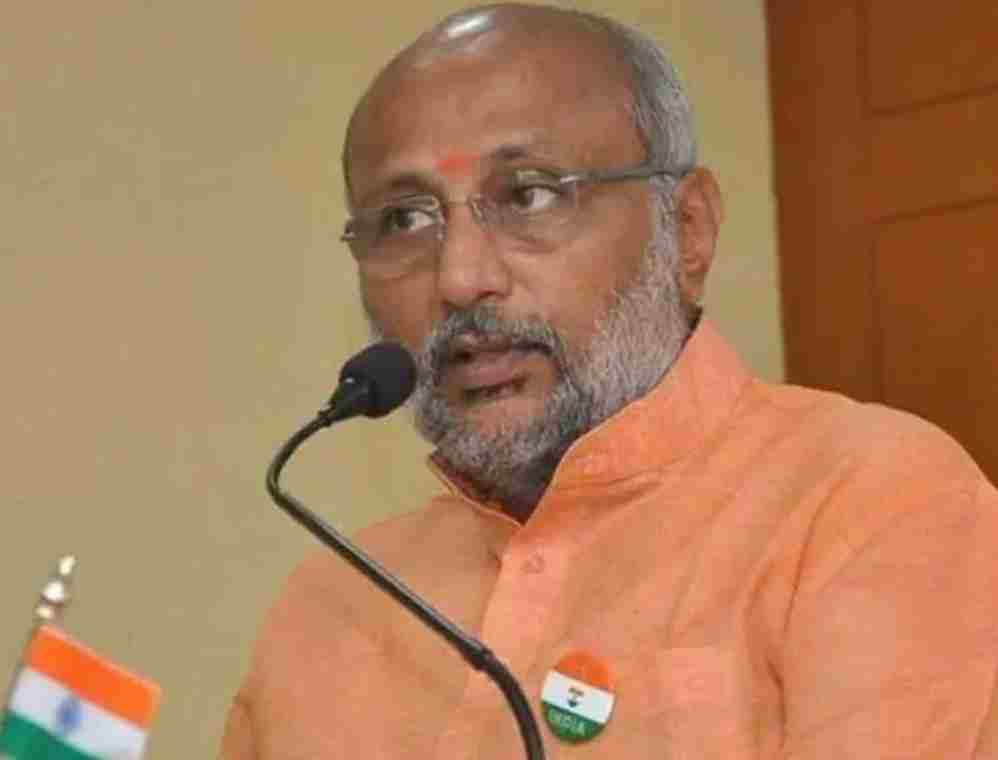
C. P. Radhakrishnan Elected as India’s Next Vice President
In a significant political development, C. P. Radhakrishnan, the National Democratic Alliance’s (NDA) candidate, has been elected as the 15th Vice President of India. The election took place on September 9, 2025, with members of Parliament casting their votes in a contest that reflected both political strategy and shifting alliances.
A Clear but Competitive Victory
Radhakrishnan secured 452 first-preference votes, while his opponent, B. Sudershan Reddy, the nominee from the Opposition bloc, received 300 votes. Out of the total 767 votes cast, 15 were declared invalid. This gave Radhakrishnan a comfortable margin of victory, though the narrower gap compared to past Vice Presidential elections drew attention to the strength of the Opposition’s united front.
From Coimbatore to the National Stage
Radhakrishnan’s political journey has been both long and multifaceted. A two-time Member of Parliament from Coimbatore, he made his mark early as a grassroots leader connected deeply with the Rashtriya Swayamsevak Sangh (RSS). Over the years, he transitioned from parliamentary politics to constitutional roles, serving as Governor of Jharkhand, Telangana, and most recently Maharashtra. His brief tenure as the Lieutenant Governor of Puducherry also showcased his administrative capabilities.
Why Radhakrishnan Was Chosen
The NDA’s decision to field Radhakrishnan was both symbolic and strategic. Coming from Tamil Nadu, a state where the ruling alliance has been working to expand its influence, he represents a calculated outreach to southern India. His background in the OBC Goundar-Kongu Vellalar community also adds to the social balancing act that the party often emphasizes. Beyond identity politics, Radhakrishnan is known for his calm, non-confrontational style—qualities that make him well-suited for the role of Vice President, who also serves as the Chairperson of the Rajya Sabha.
The Significance of the Vote
The election witnessed a voter turnout of more than 98 percent, underscoring the importance of the Vice President’s office. Interestingly, reports suggested that several members of Opposition parties may have cross-voted in Radhakrishnan’s favor, highlighting his personal goodwill across party lines. While the NDA celebrated the win as a mandate for stability and continuity, the Opposition described it as a “moral victory,” pointing to the reduced winning margin compared to previous elections.
Role and Responsibilities Ahead
As Vice President, Radhakrishnan will preside over the Rajya Sabha, ensuring the smooth functioning of parliamentary proceedings. At a time when debates in the Upper House often turn heated, his reputation as a soft-spoken consensus-builder may help ease tensions and foster constructive discussions. Additionally, the Vice President is second in line to the presidency, making this role one of both symbolic importance and constitutional responsibility.
A Message for the Future
Radhakrishnan’s election sends a broader message about the evolving dynamics of Indian politics. His rise from a regional leader in Tamil Nadu to one of the highest constitutional offices in the country highlights both the inclusivity of democratic institutions and the careful political calculations of ruling coalitions. For many, his journey is a reminder of how persistence, loyalty, and adaptability can shape a long-lasting career in public life.
Disclaimer
The information and content shared on digitalgithub.com — including articles, blogs, news, guides, and other resources — is intended for general informational and educational purposes only. We do not guarantee the completeness, reliability, or suitability of any information. Always seek the guidance of a qualified professional before making decisions based on the information you read. Use this site at your own risk.