
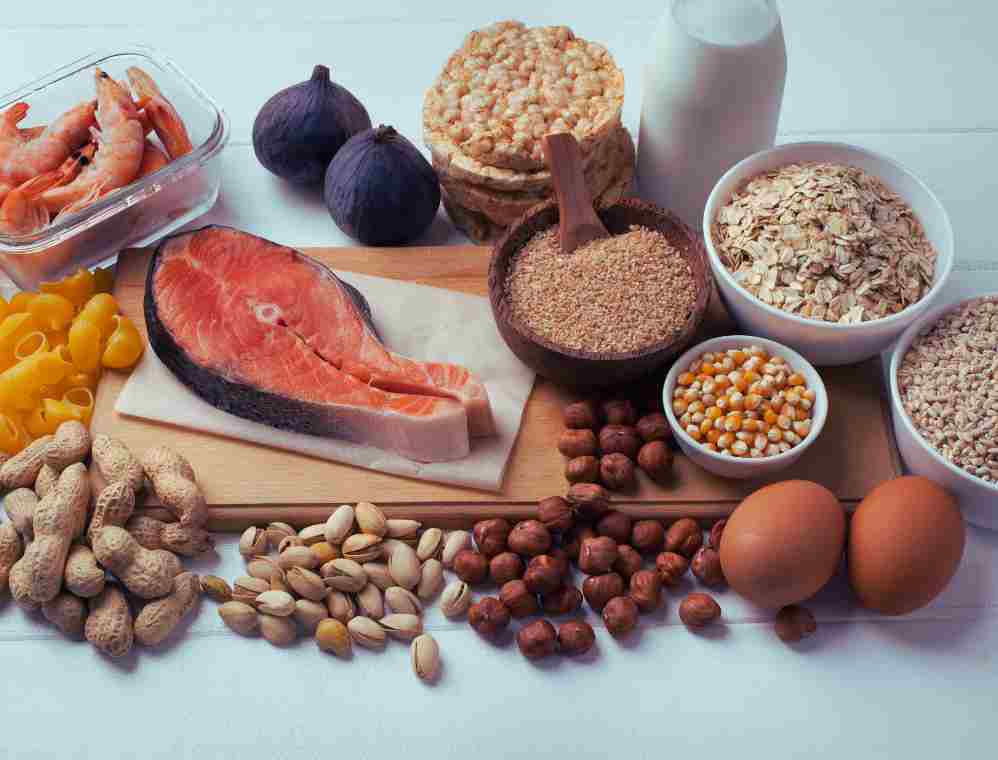
The Power of Alternative Proteins: Redefining the Future of Food
Consider biting into a burger that has no meat yet tastes like beef. or eggs that weren’t scrambled from a chicken. What if the ingredients for your protein powder were air or fungi?
Greetings from the world of Alternative Proteins, where nutrition, sustainability, and science come together to transform our eating habits.
Traditional animal husbandry is coming under increasing scrutiny as the world’s population grows and climate worries intensify. Researchers, businesspeople, and even regular home cooks are responding by embracing new-age proteins—cleaner, greener, and more intelligent choices.
Everything you need to know about alternative proteins is covered in this blog, including what they are, why they are important, and how they are changing the way we eat dinner.
What Are Alternative Proteins?
To put it simply, alternative proteins are non-traditional protein sources that are intended to supplement or replace dairy, eggs, and meat.
Rather of originating from fish, poultry, or cows, they come from:
- Plants such as lentils, peas, and soy
- Algae and fungi
- Fermented microorganisms
- Animal cells that have been cultured (lab-grown meat)
- Insects
- Even carbon dioxide—yes, there are proteins derived from air!
They are no longer limited to vegans. People all throughout the world, from fast-food enthusiasts to fitness enthusiasts, are looking for better protein sources that are better for the environment and their bodies.
Why Do We Need Alternative Proteins?
The issue is that our current methods of food production are not sustainable for the future.
Let’s examine the statistics:
- 14.5% of greenhouse gas emissions worldwide are caused by animal husbandry.
- Agriculture uses 70% of the freshwater on Earth.
- Around the world, one in three people do not get enough protein in their diet.
- Each year, more than 60 billion land animals are killed.
- By 2050, protein demand is predicted to double.
Our existing food system obviously needs a makeover, and alternative proteins might be the solution we’ve been seeking.
Types of Alternative Proteins
Let’s break down the major types making headlines and entering shopping carts.
1. Plant-Based Proteins
These are the most typical and generally acknowledged. Consider dishes like lentil soup, tempeh, soy milk, and tofu. They are cholesterol-free and high in vitamins and fibre.
Common Sources:
- Soybeans (tofu, tempeh)
- Peas (used in Beyond Meat)
- Chickpeas, lentils, beans
- Quinoa, oats, and grains
- Nuts and seeds
Advantages:
Easily accessible
Simple to prepare
Reasonably priced and heart-healthy
Cons:
Sometimes incomplete amino acid profiles
For complete nutrition, it could be necessary to combine certain foods.
Processed versions may contain a lot of fat and sodium.
Plant-based protein is an easy entry point for those new to alternative eating.
2. Fungi- and Algae-Based Proteins
Yes, a particular kind of fungus might be your future source of protein. Don’t be put off by it; it has a lot of promise.
Fungi Protein (Mycoprotein):
- Derived from Fusarium venenatum fungus
- Found in products like Quorn
- Tastes like meat, great for meat analogues
Algae Protein:
- Spirulina and chlorella are nutrient powerhouses
- Contains all essential amino acids
- Used in protein powders and health drinks
Advantages:
Ecologically friendly
Rich in vitamins and protein
High in fibre and antioxidants
Cons:
Earthy tastes can be pricey and may not be to everyone’s taste.
These solutions are nutritionally packed and incredibly sustainable.
3. Insect-Based Proteins
Before you freak out, protein bars and flours all around the world already include mealworms and crickets.
Compared to cattle or chickens, insects need a lot less land, water, and food. They are rich in iron, omega-3s, protein, and vitamin B12.
Forms:
- Cricket flour for baking
- Roasted insects as snacks
- Protein bars and powders
Advantages:
An extremely sustainable source of complete protein
Expanding worldwide market
Cons:
Cultural differences, particularly in India
Restricted accessibility
“Yuck” factor
Insects have been eaten for ages in various civilisations. It’s slowly catching on in the West. Will India do the same? We’ll find out in time.
4. Fermentation-Based Proteins
This is the aspect of food innovation that involves science.
We can create high-quality protein that substitutes dairy, meat, or eggs by employing bacteria to ferment carbohydrates.
Examples:
- Precision fermentation: creates milk proteins (casein, whey) without cows
- Biomass fermentation: grows fungi/microbes directly into food
Dairy-free ice creams and fermented cream cheese are already being introduced by companies like Perfect Day and Nature’s Fynd.
Advantages:
Adaptable nutrition
No use of animals
Environmentally friendly
Drawbacks:
Still developing in India
Considered “unnatural”
Issues with regulation and scalability
This might be how milk, cheese, and even egg whites are made in the future.
5. Cultivated (Lab-Grown) Meat
Let’s be clear—this is real meat, but grown in a lab from animal cells.
No killing, no antibiotics, no factory farming.
Process:
- Extract animal cells
- Feed them nutrients in a bioreactor
- Grow muscle tissue into meat cuts
Current Players:
- Eat Just (cultivated chicken)
- Mosa Meat (cultivated beef)
- Aleph Farms (steak from cells)
Advantages:
Tastes authentic meat.
Significantly less suffering for animals
Eco-friendly
Cons:
Not yet offered for sale in India
Incredibly costly (but prices are rapidly declining)
Resistance on an emotional level (“lab-grown meat”)
Once it’s economical and widely accepted, farmed meat has the potential to completely transform our menus in ten years.
The Economic Impact: Big Money, Big Future
- The market for plant-based proteins surpassed $20 billion globally in 2023.
- By 2030, the value of cultured meat is predicted to reach $25 billion.
- Indian startups that are making their way into mainstream menus include GoodDot, Blue Tribe, and Evo Foods.
Fast-food restaurants are also joining the fray. Plant-based pizza toppings were introduced by Dominos India. Oat milk lattes are available at Starbucks. McPlant burgers were tested by McDonald’s.
The investors are observing. You should, too.
IN.The Indian Perspective: Are We Ready?
Plant-based diets have a long history in India. However, our country is likewise lacking in protein.
Studies show
- More than 70% of Indians do not consume enough protein each day.
- It’s a misconception that vegetarian diets are high in protein, but most don’t work out unless they’re well-planned.
- For more recent protein breakthroughs, accessibility and affordability continue to be problems.
If we mainstream alternative proteins, they can help close this gap.
How to Start Including Alternative Proteins in Your Diet
Practical Tips:
- Replace paneer with tofu in curries
- Add chickpeas, lentils, or sprouts to salads
- Use plant-based milk in tea, coffee, or smoothies
- Try vegan protein powders (pea, rice, or blends)
- Choose meatless days once or twice a week
If you’re feeling particularly daring, try Indian startups’ plant-based keema, mycoprotein nuggets, or mushroom-based burgers.
Final Thoughts: It’s Time to Rethink Protein
Alternative proteins are a necessity for a sustainable future, not just a fad. Whether you’re an eco-warrior, conscious eater, or fitness enthusiast, these choices provide:
- More options
- Improved health
- Reduced carbon emissions
- Ethical tranquilly
Food’s future is not far off. It’s already on your plate.
Take Action Today:
This week, try one different protein substitute.
To raise awareness, share this article.
Help Indian food tech companies create a better future.
Disclaimer
The information and content shared on digitalgithub.com — including articles, blogs, news, guides, and other resources — is intended for general informational and educational purposes only. We do not guarantee the completeness, reliability, or suitability of any information. Always seek the guidance of a qualified professional before making decisions based on the information you read. Use this site at your own risk.