
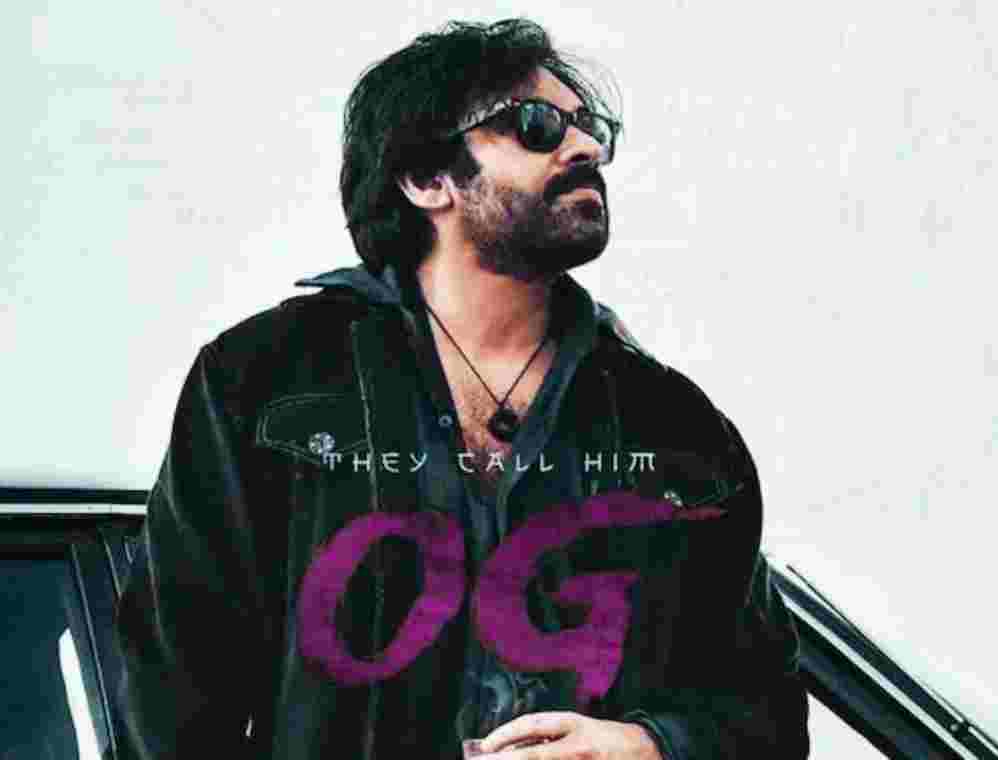
“They Call Him OG”: A Stylish Gangster Drama That Shines in Parts but Stumbles in Depth
Telugu cinema’s latest action spectacle, They Call Him OG, has arrived on the big screen with immense anticipation. The film, headlined by Pawan Kalyan, promises an explosive blend of gang wars, stylized action, and emotional drama. While it delivers several high-voltage moments, its narrative strength wavers, leaving audiences divided between admiration and longing for more substance.
A Tale of Revenge, Legacy, and Exile
The story opens in 1940s Japan, where Ojas Gambheera, fondly called OG, survives a brutal samurai conflict. Seeking refuge in Mumbai with his mentor Satya Dada, he finds himself drawn into the underworld’s rise and fall across decades.
As the 1970s dawn, the Mirajkar family, ruthless port magnates, emerge as OG’s fiercest rivals. Power struggles, betrayals, and shifting loyalties push OG into exile. Yet destiny drags him back into the chaos, forcing him to confront both enemies and ghosts of his past. At the center of the chaos lies a mysterious container linked to the port, turning into a symbol of greed, control, and vengeance.
Performances: Star Power Meets Mixed Writing
- Pawan Kalyan (OG): The film thrives on his magnetic screen presence. His action sequences — swords, guns, and martial arts choreography — play to his strengths and thrill his fan base. Yet, the script rarely explores the softer layers of his character, leaving OG more myth than man.
- Emraan Hashmi (Omi): As the primary antagonist, Hashmi delivers menace with charisma. However, his role feels restricted, never quite evolving into the layered villain the story hints at.
- Prakash Raj (Satya Dada): A standout. His performance anchors the narrative, especially in emotionally heavy confrontations with OG. He brings depth even when the script underplays it.
- Sriya Reddy (Geetha): Strong and composed, she balances the fiery male-dominated environment with calm resilience. Her presence adds credibility to family-driven conflicts.
- Priyanka Arul Mohan (Kanmani): While positioned as OG’s emotional core, her character feels underdeveloped, reducing her impact in key scenes.
Supporting roles, including a brief but intriguing cameo by Japanese actor Kazuki Kitamura, hint at larger world-building that could expand in future installments.
Visual Grandeur and Sonic Power
Director Sujeeth spares no effort in delivering visual spectacle. From blood-soaked sword fights to rain-drenched port sequences, the production design sets the mood with cinematic flair. The decision to weave in Japanese-inspired martial arts into a Telugu gangster backdrop feels refreshing and bold.
Music director Thaman amplifies this energy with a pulsating background score. The music doesn’t just accompany the scenes — it heightens them, salvaging weaker moments and driving the adrenaline in action-heavy stretches. The combination of sound design and fight choreography gives the film a visceral punch.
Where the Film Stumbles
Despite its ambitions, They Call Him OG falters in several areas:
- Emotional Depth: Many of the film’s dramatic beats — from personal loss to betrayal — lean on familiar tropes like the murdered spouse or kidnapped child. Instead of adding weight, these plot devices feel formulaic.
- Narrative Flow: The film swings between prolonged exposition and rapid-fire action, creating uneven pacing. Certain subplots feel rushed, while others drag unnecessarily.
- Character Arcs: While OG is built up as an almost mythical figure, his vulnerabilities and motivations remain shallow. Similarly, supporting characters lack the complexity needed to sustain such an expansive saga.
Verdict: A Visual Treat That Misses Its Heart
They Call Him OG is undeniably a stylish outing for Telugu cinema. It dares to experiment with settings, genre fusion, and action choreography. Fans of Pawan Kalyan will find plenty to cheer for — from his intense fight scenes to his commanding presence.
Yet, the film stops short of becoming the emotionally charged gangster epic it aims to be. Its action roars, but its heart whispers too faintly.
Critic’s Rating: 3/5
Audience Rating: 3.3/5
If the rumored sequel materializes, it has the potential to correct course — diving deeper into character motivations while retaining the grand style that sets this film apart.
Disclaimer
The information and content shared on digitalgithub.com — including articles, blogs, news, guides, and other resources — is intended for general informational and educational purposes only. We do not guarantee the completeness, reliability, or suitability of any information. Always seek the guidance of a qualified professional before making decisions based on the information you read. Use this site at your own risk.