
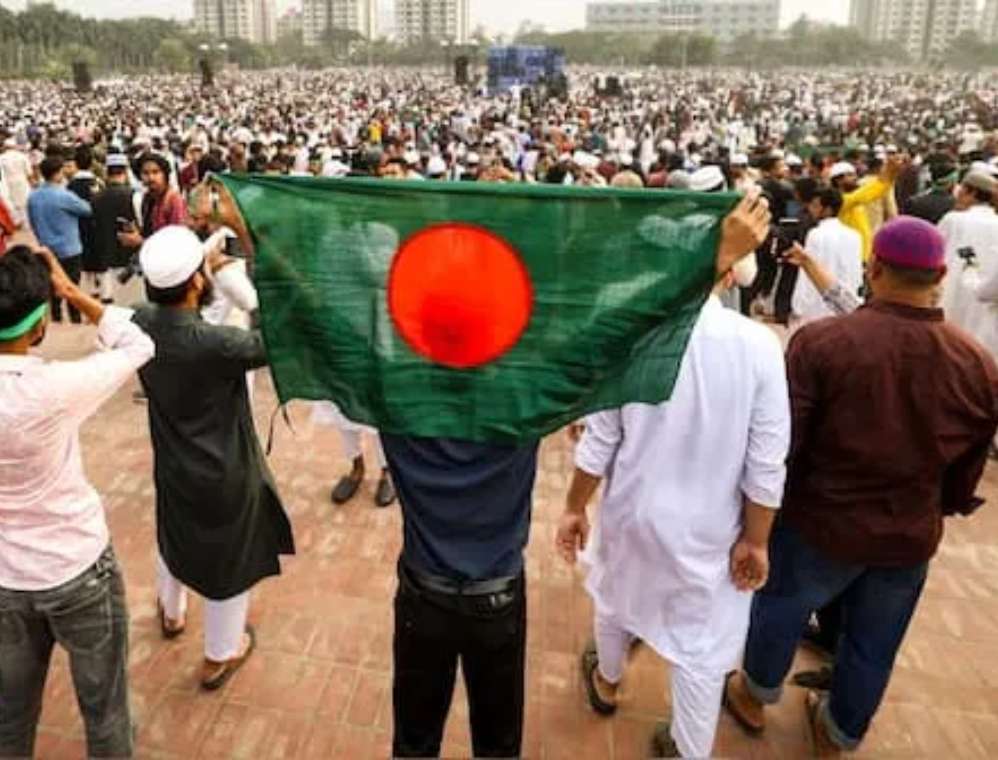
Crisis in India–Bangladesh Relations Deepens Amid Violent Protests, Diplomatic Tensions Rise
New Delhi/Dhaka – Diplomatic relations between India and Bangladesh have entered a period of heightened strain as violent protests in Bangladesh trigger political uncertainty and raise concerns in New Delhi over regional stability, border security, and bilateral cooperation. The situation has prompted urgent diplomatic engagement as both nations seek to prevent further deterioration in ties that have historically been strategic and multifaceted.
Protests Escalate Across Bangladesh
Bangladesh has witnessed widespread protests in recent weeks, with demonstrators clashing with security forces in multiple cities. The unrest, driven by a combination of political grievances, economic pressures, and allegations of governance failures, has resulted in injuries, property damage, and disruptions to daily life.
The intensity of the protests has raised alarms across South Asia, particularly in India, which shares a long and sensitive border with Bangladesh. Indian authorities are closely monitoring developments, citing concerns over spillover effects such as cross-border movement, trade disruption, and regional instability.
Impact on India–Bangladesh Diplomatic Ties
India and Bangladesh share deep ties rooted in history, trade, security cooperation, and people-to-people exchanges. However, the current unrest has complicated diplomatic engagement, with reports of strained dialogue and heightened caution on both sides.
Indian policymakers have emphasized the importance of stability in Bangladesh, noting that unrest could impact bilateral projects, connectivity initiatives, and security cooperation, particularly in border regions of West Bengal, Assam, Tripura, and Meghalaya.
Bangladesh, meanwhile, has voiced concerns about internal sovereignty and has urged foreign governments to avoid commentary that could be perceived as interference during a sensitive domestic period.
Security and Border Concerns
The evolving situation has led Indian border security agencies to strengthen vigilance along the India–Bangladesh frontier. Officials are focused on preventing illegal crossings, smuggling, and any attempts by extremist groups to exploit the unrest.
Trade routes, including land ports and transit corridors, are also under scrutiny. Bangladesh is a key trading partner for India in South Asia, and prolonged instability could affect exports, imports, and regional supply chains.
Political and Regional Implications
Analysts warn that prolonged political instability in Bangladesh could reshape regional dynamics in South Asia. India has traditionally supported democratic stability and economic development in its eastern neighbour, viewing Bangladesh as a crucial partner in regional connectivity and counter-terrorism efforts.
Any significant shift in Bangladesh’s internal political landscape could influence foreign policy alignment, regional alliances, and infrastructure cooperation projects that are vital to India’s Act East strategy.
Calls for Dialogue and Restraint
Diplomatic sources indicate that behind-the-scenes communication channels remain active. India has reiterated its position of supporting peace, dialogue, and constitutional processes in Bangladesh while avoiding overt public intervention.
International observers and regional experts stress that de-escalation and political dialogue are essential to restoring calm and preventing long-term damage to bilateral relations.
Public Sentiment and Media Attention
The crisis has generated significant attention on social media and news platforms in both countries. Public discourse reflects a mix of concern, speculation, and calls for restraint, with many emphasizing the historical bond and mutual dependence between India and Bangladesh.
Experts caution against misinformation and inflammatory narratives, noting that exaggerated claims online could further inflame tensions and complicate diplomatic efforts.
What Lies Ahead
As violent protests continue and political uncertainty persists, the future of India–Bangladesh relations remains closely tied to developments on the ground in Dhaka. Stability in Bangladesh is widely viewed as critical not only for bilateral ties but also for broader South Asian security and economic cooperation.
Both nations face a pivotal moment that will test diplomatic maturity, crisis management, and the resilience of a relationship built over decades.
Conclusion
The deepening crisis amid violent protests in Bangladesh marks a challenging phase in India–Bangladesh relations. While tensions have risen, sustained diplomatic engagement, restraint, and a focus on regional stability remain key to preventing a long-term rupture. As events unfold, the response of both governments will play a decisive role in shaping the future trajectory of one of South Asia’s most significant bilateral relationships.
Disclaimer
The information and content shared on digitalgithub.com — including articles, blogs, news, guides, and other resources — is intended for general informational and educational purposes only. We do not guarantee the completeness, reliability, or suitability of any information. Always seek the guidance of a qualified professional before making decisions based on the information you read. Use this site at your own risk.