
From Sturgeon Moon’s Rare Double Rise to September’s Blood Moon: A Skywatcher’s Guide
This month has been a feast for night-sky lovers. The celestial stage opened with the Sturgeon Moon, August’s iconic full moon, which surprised even seasoned skywatchers by gracing the horizon two evenings in a row in its full glory.
A Full Moon Twice Over
Usually, a moonrise happens about 50 minutes later each day. But this August, an unusual alignment changed the timing. The moon’s position south of the celestial equator and its low path across the night sky shortened that delay to just over 30 minutes.
The result? On both August 8 and August 9, the moon appeared soon after sunset, shining brightly while the sky was still tinted with twilight colors. The exact moment of peak fullness came in the early hours of August 9, casting a silver wash across landscapes worldwide.
For many, this was more than just an astronomical event—it was a moment of calm wonder, a reminder that sometimes nature gives us extra time to appreciate its beauty.
The Next Act: A Fiery Blood Moon
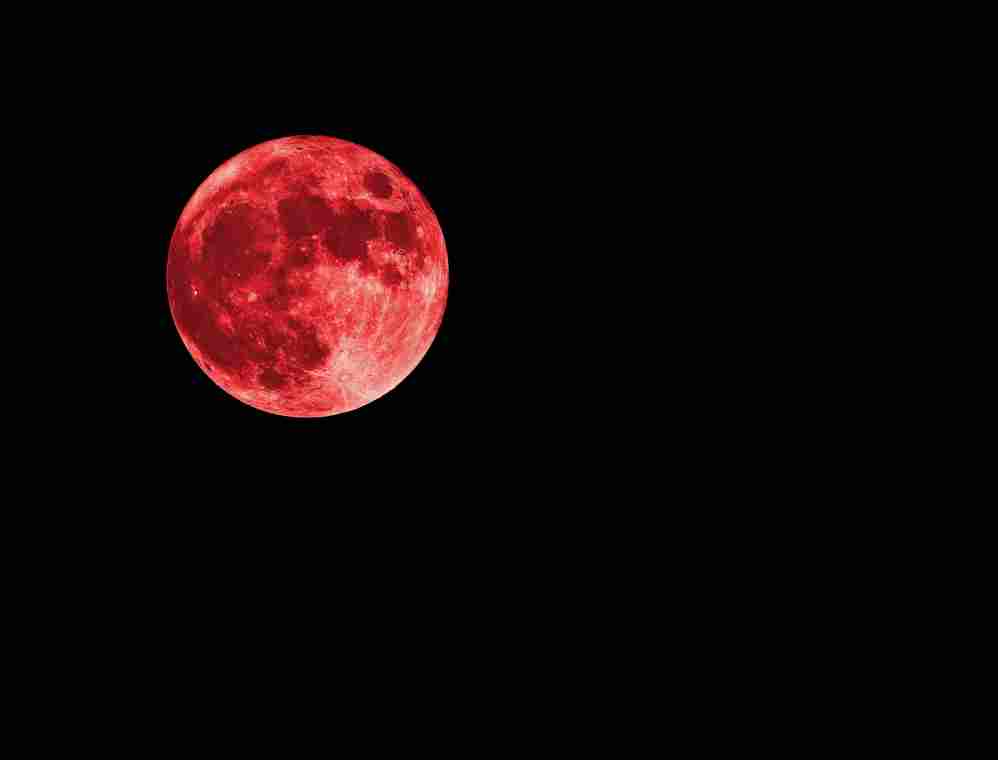
The lunar show doesn’t end with August’s finale. On September 7, 2025, the moon will transform into a Blood Moon during a total lunar eclipse.
This is no quick glimpse—the eclipse will last about 82 minutes in its total phase, long enough for the moon to deepen into a haunting shade of coppery red. This striking effect occurs when sunlight filters through Earth’s atmosphere during the eclipse, scattering blue wavelengths and leaving the longer red ones to wash over the moon’s surface.
Who Gets the Best Seat in the House
- Perfect Viewing: Much of Asia and western parts of Australia will witness the eclipse from start to finish, an uninterrupted performance in the cosmic theatre.
- Partial Viewing: Europe, Africa, eastern Australia, and New Zealand will still see parts of the event, depending on local moonrise and moonset times. Even a partial Blood Moon, however, can be a breathtaking sight.
Why It Feels Special
The Sturgeon Moon’s double rise was a rare astronomical quirk—a gentle reminder of the moon’s subtle changes and the Earth’s shifting relationship with it. The upcoming Blood Moon, by contrast, is dramatic, primal, and steeped in cultural history.
For millennia, total lunar eclipses have sparked myths, superstitions, and celebrations. Today, while science explains the phenomenon, the sight of a glowing red moon still stirs something deep and timeless in us.
Tips for Viewing
- Mark the Time: Check your local moonrise schedule for September 7 to make sure you don’t miss the start.
- Find a Clear Horizon: City lights can dull the view—head somewhere open and dark.
- Bring Binoculars or a Camera: While the moon is beautiful with the naked eye, magnification can reveal intricate surface details under the red glow.
- Stay Patient: The full transformation takes time. Watching the gradual shift from silver to crimson is part of the magic.
August’s serene silver moon and September’s fiery red eclipse offer two very different moods—calm reflection followed by intense spectacle. If you needed an excuse to spend a little more time under the stars this season, the universe just gave you two.
Disclaimer
The information and content shared on digitalgithub.com — including articles, blogs, news, guides, and other resources — is intended for general informational and educational purposes only. We do not guarantee the completeness, reliability, or suitability of any information. Always seek the guidance of a qualified professional before making decisions based on the information you read. Use this site at your own risk.